
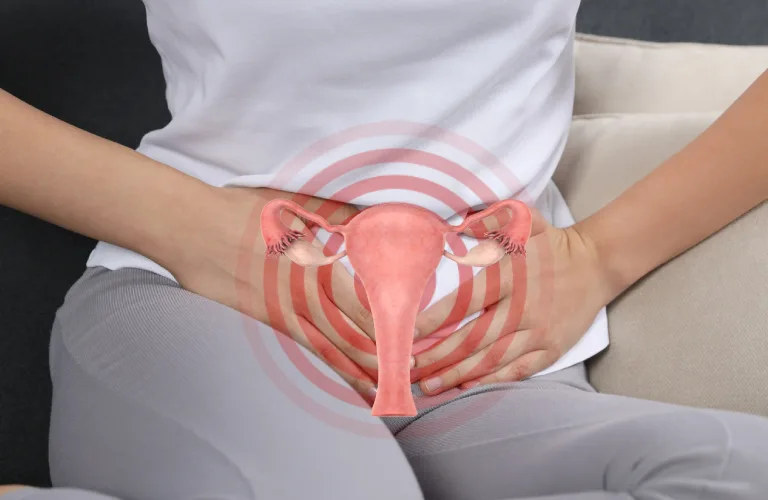
Did you know that nearly 25% of women in India are affected by uterine fibroids during their reproductive years?
Uterine fibroids, or leiomyomas, are noncancerous growths that can vary from being symptomless to causing severe discomfort, including heavy periods, pelvic pain, and fertility issues. While hysterectomy has traditionally been considered a solution, modern advancements offer newer ways to remove fibroids while preserving the uterus.
This shift is particularly significant for women in India, where fertility and reproductive health are deeply valued. For expert advice and care, specialists like Dr. Arohi Tasgaonkar, a leading gynecologist in Thane, offer cutting-edge solutions to manage fibroids effectively.
What Are Uterine Fibroids?
Fibroids are noncancerous tumors made of muscle tissue that grow in or around the uterus. They can range in size from very small (like a seed) to very large (as big as a melon).
They may:
- Grow inside the uterine wall
- Grow on the outer surface of the uterus
- Hang from the uterus by a stalk
While fibroids are not cancerous and do not increase the risk of uterine cancer, larger fibroids can change the shape of the uterus and cause problems such as pain or heavy bleeding.
What Are the Common Types of Fibroids?
Fibroids are categorized based on their location:
Intramural Fibroids
Found within the uterine wall, these are the most common type.
Submucosal Fibroids
These grow into the uterine cavity and often cause heavy bleeding and fertility problems.
Subserosal Fibroids
Located on the outer surface of the uterus, they can grow large enough to press on nearby organs.
Pedunculated Fibroids
These fibroids grow on a stalk inside or outside the uterus.
What Are the Symptoms of Uterine Fibroids?
Fibroids can present with mild or severe symptoms. Common complaints include:
- Heavy or prolonged menstrual bleeding
- Pelvic pain or pressure
- Frequent urination or difficulty emptying the bladder
- Pain during intercourse
- Lower back discomfort or rectal pressure
- Infertility or pregnancy complications
What Causes Uterine Fibroids?
The exact cause of fibroids is not clear, but several factors contribute:
Hormones
Estrogen and progesterone stimulate fibroid growth, which is why they often shrink after menopause.
Genetics
Family history increases the likelihood of developing fibroids.
Lifestyle Factors
A diet high in red meat, low in green vegetables, or a deficiency in vitamin D can raise the risk.
Growth Factors
Certain proteins that regulate tissue repair and maintenance may influence fibroid development.
When Are Fibroids Dangerous?
While many fibroids are harmless and do not require treatment, larger ones can cause serious health problems, such as:
- Severe anemia due to heavy bleeding
- Intense pelvic pain
- Fertility issues, including difficulty conceiving or recurrent miscarriages
Fibroids larger than 6 cm often require medical or surgical intervention.
How Are Uterine Fibroids Diagnosed?
Diagnosing fibroids typically involves a combination of:
Pelvic Exams
To detect changes in uterine size or shape.
Ultrasound
For imaging fibroids and determining their size and location.
MRI
For detailed imaging, especially in complex cases.
Hysteroscopy
A small telescope is inserted into the uterus for direct visualization.
What Are the Treatment Options for Fibroids?
Treatment depends on the size, symptoms, and your reproductive goals:
Medications
Hormonal treatments like birth control pills or GnRH agonists can manage symptoms but do not eliminate fibroids.
Myomectomy
A uterus-preserving surgery to remove fibroids, ideal for women wanting to maintain fertility.
Uterine Fibroid Embolization (UFE)
A minimally invasive procedure that cuts off blood supply to fibroids, causing them to shrink.
Endometrial Ablation
Destroys the uterine lining to reduce bleeding but is not suitable for women planning future pregnancies.
Hysterectomy
Complete removal of the uterus, recommended only in severe cases where other treatments fail.
If you are seeking expert guidance and personalized care for fibroid treatment in Thane, consult Dr. Arohi Tasgaonkar today to explore the best options for your health and reproductive goals.
Why Choose Dr. Arohi Tasgaonkar for Fibroid Treatment?
When it comes to managing fibroids, choosing the right specialist can make all the difference.
Dr. Arohi Tasgaonkar, a leading gynecologist in Thane, is highly regarded for her advanced and personalized approach to fibroid treatment. Renowned for her expertise in minimally invasive surgeries such as laparoscopic and hysteroscopic myomectomies, Dr. Tasgaonkar is committed to providing comprehensive care.
She ensures that every aspect of a patient’s health, from diagnosis to recovery, is meticulously addressed. Her patient-centric approach prioritizes preserving the uterus whenever possible, tailoring treatment plans to align with each woman’s fertility and health goals.
By utilizing the latest advancements in medical technology, Dr. Tasgaonkar delivers safe, effective, and minimally invasive treatments, empowering women to take control of their health with confidence.
Conclusion
Fibroids can significantly impact a woman’s quality of life, but with timely intervention, it is possible to manage them while preserving the uterus.
Whether you are experiencing mild symptoms or require surgical treatment, consulting a skilled gynecologist like Dr. Arohi Tasgaonkar can provide you with tailored solutions.
With her expertise in minimally invasive techniques and patient-focused care, you can regain control of your health and fertility.
Take charge today and explore the best options for your fibroid treatment in Thane.
Contact
Dr. Arohi Tasgaonkar
Gynecologist, Laparoscopic & Robotic Surgeon
Thane
📞 +91 98330 74977
